Across Latin America, companies are investing more in employee training than ever before. The goal is simple—improve skills, increase productivity, and reduce mistakes. However, many organizations are starting to notice a gap between training efforts and actual results.
Employees attend sessions, complete modules, and move on, but their day-to-day performance does not change significantly. This raises an important concern: why is Traditional Employee Training not delivering the outcomes businesses expect?
The reality is that workplaces have changed. Employees now deal with fast-moving environments, digital tools, and real-time decision-making. Static and one-time training methods no longer match these needs.
If your business is facing low engagement or limited results from training programs, it may be time to rethink your approach.
Get a Free Experience Assessment
What Is Traditional Employee Training?

Traditional Employee Training refers to structured programs that are usually delivered through classroom sessions, long workshops, or static online courses.
Key characteristics
- One-time learning sessions
- Same content for all employees
- Limited interaction
- Focus on theory instead of real-world practice
While this method was effective in the past, it does not align with how employees learn and perform today. Explore modern workplace learning approaches through Employee Workplace Experience Solutions.
Why Traditional Training Is Failing in LATAM
Many LATAM companies continue to rely on outdated training formats that do not reflect current workplace realities.
1. Lack of Practical Application
Employees learn concepts but struggle to apply them in real situations. Without hands-on experience, knowledge fades quickly.
2. Low Engagement Levels
Long sessions reduce focus and participation. Employees often complete training just to finish it, not to learn.
3. No Continuous Learning
Training is treated as a one-time activity instead of an ongoing process.
4. No Measurement of Impact
Companies track attendance or completion but not actual performance improvement.
These issues explain why Traditional Employee Training is losing effectiveness. Businesses improving workforce engagement are increasingly adopting solutions like Customer Experience Services and Leadership Solutions.
Evaluate Your Workforce Engagement
The Changing Expectations of Employees
Employees today expect more than just information. They want training that helps them perform better in their roles.
What employees need now
- Short and focused learning sessions
- Real-life scenarios
- Immediate application of knowledge
- Ongoing support and feedback
When these needs are not met, training becomes less useful and engagement drops. Learn more about workplace transformation through DogmaWork.
The Gap Between Training and Real Performance
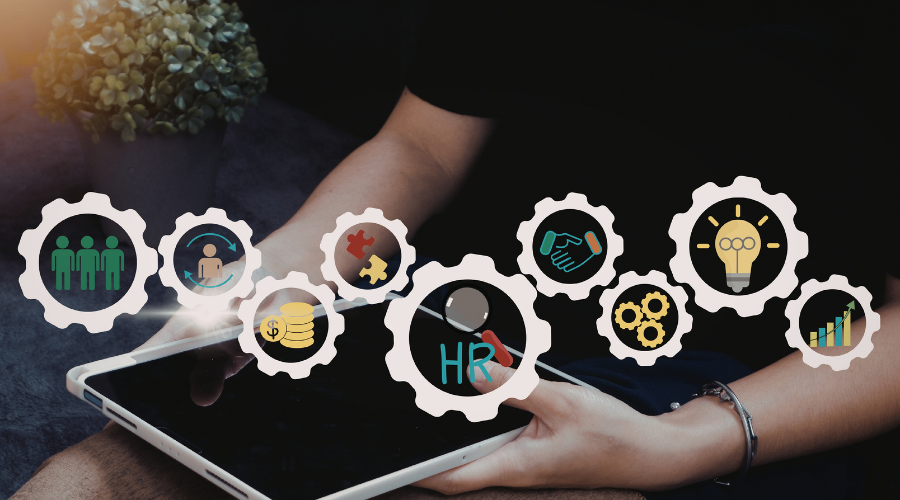
One of the biggest challenges is the disconnect between learning and execution.
Example
An employee completes a training program on customer service but struggles to handle real customer interactions because the training lacked practical scenarios.
Why this happens
- Too much theoretical content
- No follow-up after training
- No real-world simulations
Closing this gap is essential to improving results. Organizations across LATAM are addressing this through workplace experience strategies such as Workplace Experience Chile and Workplace Experience Puerto Rico.
<a href=”https://dogmasys.com/contact/”>Improve Your Employee Retention Strategy</a>
What Modern Training Should Focus On
To replace Traditional Employee Training, businesses need to adopt a more practical approach.
Key elements
Continuous Learning
Employees should learn regularly, not just once a year.
Interactive Training
Simulations and real-life scenarios improve understanding.
Role-Based Content
Training should match specific job roles.
Measurable Results
Track behavior changes and performance improvement.
Companies integrating learning with operational strategy often achieve stronger results through Business Strategy Solutions and C3X for Agility.
Step-by-Step Improvement Strategy
Step 1: Identify Skill Gaps
Understand what employees actually need to improve.
Step 2: Introduce Practical Learning
Use real-world examples and case studies.
Step 3: Keep Training Short
Microlearning improves retention and engagement.
Step 4: Measure Outcomes
Track how training impacts daily performance.
Step 5: Reinforce Learning
Use reminders, follow-ups, and ongoing support.
This approach helps businesses move beyond Traditional Employee Training and build effective systems. Businesses looking to strengthen workforce performance can also explore Innovation Solutions.
One Paragraph Summary with Key Actions
To improve training effectiveness, companies should shift from long, one-time sessions to continuous learning models that include short modules, real-world simulations, role-specific content, and performance tracking, ensuring employees can apply what they learn in their daily work while reducing the limitations of Traditional Employee Training and building a stronger learning culture. Organizations seeking broader transformation support can review Industries We Serve.
Business Benefits of Modern Training
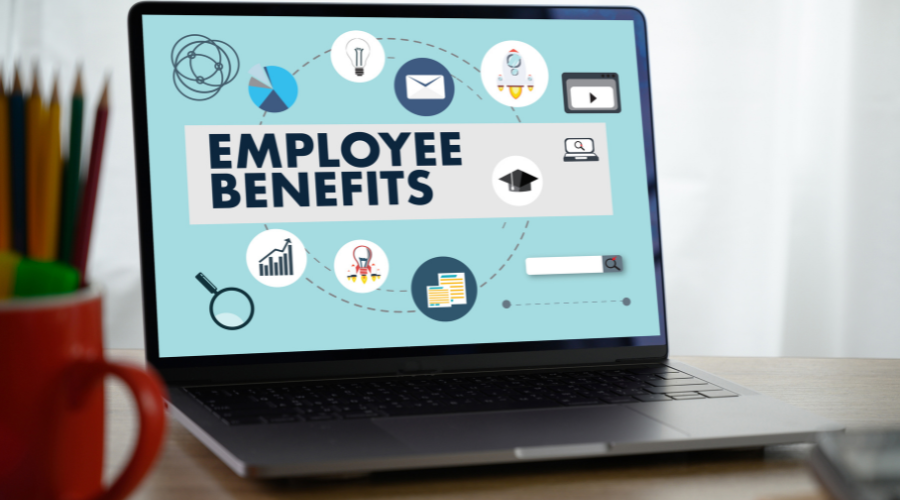
When companies update their training approach, they see measurable improvements.
Key outcomes
- Higher employee engagement
- Improved productivity
- Reduced errors and risks
- Better retention rates
Modern training directly supports business performance. Companies combining workforce development with cybersecurity awareness also benefit from Cybersecurity Solutions.
Real Impact on LATAM Companies
Organizations that move away from Traditional Employee Training report stronger employee performance and better decision-making.
What improves
- Faster problem-solving
- Better customer handling
- Stronger team collaboration
These improvements create long-term business value. Regional organizations exploring workforce and customer experience improvements can also review Customer Experience Chile and Customer Experience Puerto Rico.
Build a Stronger Workplace Today
If your current training efforts are not leading to measurable improvements, reviewing how your programs are structured and delivered can help you identify opportunities to improve engagement and results over time. Learn more about organizational transformation through About Us.
Frequently Asked Questions
Why is Traditional Employee Training not effective anymore?
Traditional methods focus heavily on theory and one-time learning, which does not match how employees work today. Modern roles require continuous updates, quick decision-making, and practical knowledge. Without reinforcement, employees forget what they learn. This makes Traditional Employee Training less effective in improving real performance.
- Lacks real-world application
- No continuous reinforcement
- Low engagement levels
- Limited performance tracking
What is the biggest problem with traditional training?
The biggest issue is that employees do not apply what they learn. Training often focuses on completing modules rather than building real skills. Without practical examples or follow-up, employees struggle to use the knowledge in their daily tasks, making the training less useful.
- Focus on theory over practice
- No real-life scenarios
- Lack of follow-up
- Weak connection to daily tasks
How can companies improve training quickly?
Companies can improve training by focusing on practical and continuous learning. Short sessions, real-life simulations, and regular feedback help employees understand and apply knowledge effectively. Measuring outcomes also ensures that training delivers results.
- Introduce microlearning sessions
- Use real-world simulations
- Track performance changes
- Provide ongoing support
Businesses modernizing workforce learning can also explore Leadership Development Solutions.
What is continuous learning?
Continuous learning is an ongoing process where employees regularly update their skills instead of relying on one-time training. It helps employees stay relevant and adapt to changes in their roles and industries.
- Regular learning updates
- Short and focused sessions
- Continuous skill improvement
- Ongoing feedback and support
Does training impact employee retention?
Yes, effective training improves employee engagement and job satisfaction. When employees feel supported and see growth opportunities, they are more likely to stay with the company. Poor training, on the other hand, leads to frustration and higher turnover.
- Builds employee confidence
- Supports career growth
- Improves job satisfaction
- Reduces turnover rates
Organizations focused on retention and workplace engagement often benefit from Employee Workplace Experience.
How do you measure training success?
Training success should be measured by changes in employee behavior and performance, not just completion rates. At Dogma Systems, tracking how employees apply skills in real situations provides a clearer picture of training effectiveness and long-term business impact.
- Monitor performance improvement
- Track behavior changes
- Evaluate engagement levels
- Measure business impact
Conclusion
Training is essential, but outdated methods no longer deliver results. Companies that continue to rely on Traditional Employee Training risk low engagement and limited performance improvement.
A shift toward continuous, practical, and measurable learning helps businesses improve both employee performance and overall outcomes. Organizations that adapt their training strategies today will be better prepared for future challenges. Explore additional business transformation insights through Resources.