

In today’s competitive and digital-first market, Customer Experience has become a key driver of business success. Customers no longer judge brands only by products or pricing. They evaluate how easy, consistent, and reliable their interactions feel at every stage of the relationship.
Businesses that invest in Customer Experience Management are better positioned to build trust, improve customer satisfaction, and strengthen long-term customer loyalty. Organizations that fail to meet rising expectations often lose customers to competitors that offer smoother journeys and better service quality.

Make every interaction count. Delight, connect, and build loyalty at every customer touchpoint.
Understanding the full customer journey helps identify critical touchpoints, expectations, and friction points that affect satisfaction and decision-making.
We guarantee detailed diagrams that align every customer interaction with back‑office processes to ensure consistent, reliable service.
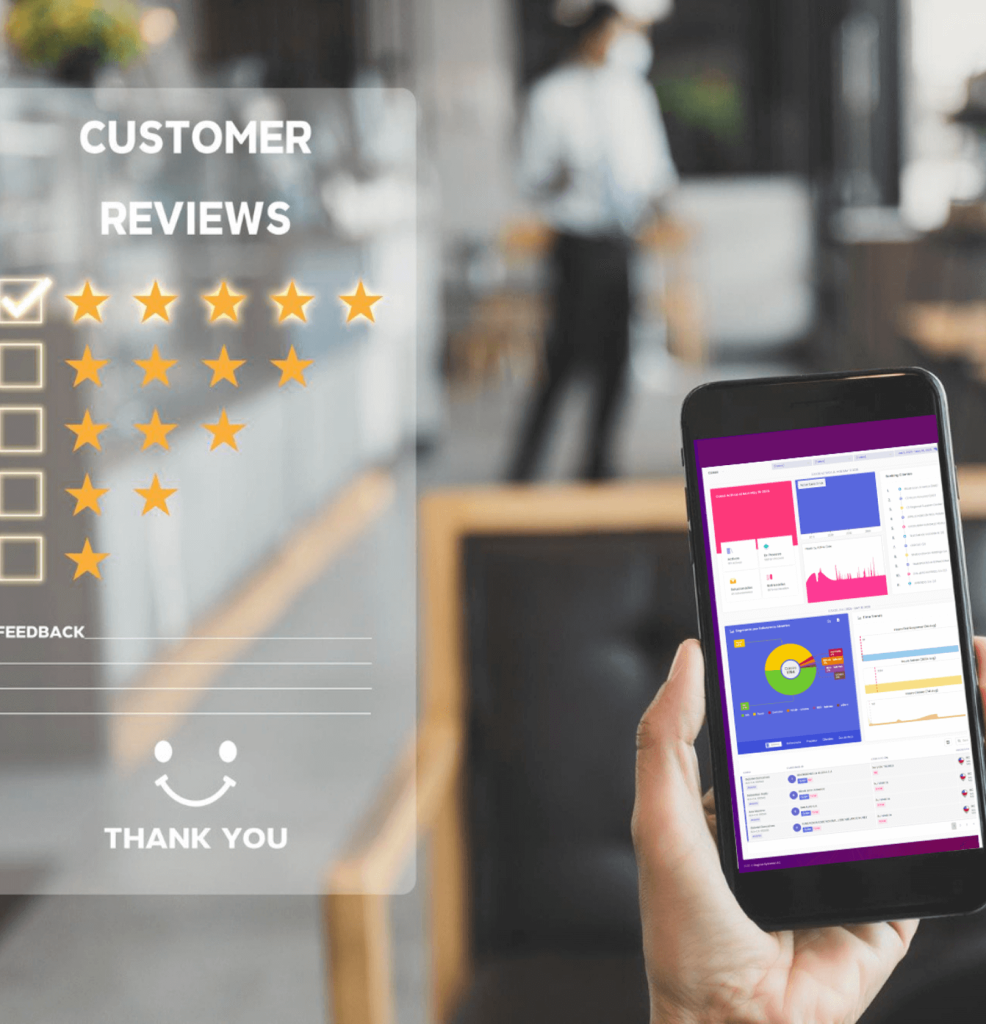
Structured customer feedback systems allow businesses to learn directly from customers and continuously improve experiences.
Tracking indicators such as retention, satisfaction, and loyalty helps organizations evaluate progress and identify improvement opportunities.
We create detailed customer personas that guide targeted messaging and strategic actions for each segment.
We deliver engaging sessions that teach modern best practices in customer service and experience management.
Although the terms “customer service” and “customer experience” are often used interchangeably, they represent two distinct concepts. Understanding the difference helps businesses design better strategies
Customer service focuses on resolving issues during or after a transaction. It is typically reactive and centered on problem-solving.
This is the holistic sum of all interactions a customer has with a brand. It spans the entire journey—from initial awareness and consideration to purchase and long-term loyalty. Every touchpoint, from a social media ad to website navigation and support calls, shapes the overall experience with Dogma Systems C3X LLC.
Today’s consumers expect more than just good Solutions or services; they expect interactions that feel personal, convenient, and aligned with their needs. Here’s why Customer Experience Management matters so much in today’s market
Customer opinions spread quickly through reviews and social platforms. Consistent experiences strengthen brand reputation, while poor interactions can reduce trust.
Companies that prioritize Customer Experience often see higher revenue through repeat purchases, increased lifetime value, and referrals.
As products and services become similar, experience becomes the main differentiator that influences customer choice.
Positive and reliable experiences encourage repeat business and long-term customer loyalty, reducing dependency on discounts and promotions.

This framework measures customer loyalty and satisfaction by asking customers how likely they are to recommend a company to others. It provides a clear metric (the NPS score) and actionable insights to improve customer experience.
This involves creating visual representations of the customer’s journey through various touchpoints with the company. It helps identify pain points and opportunities for enhancing the customer experience.
Building an exceptional customer experience requires both planning and execution. Businesses must align their operations, culture, and technology to put customers at the center of everything they do. Some proven strategies include:

Technology is a key driver of modern customer experiences. Tools like AI-powered chatbots provide instant support, CRM platforms help manage relationships, and automated feedback systems capture valuable insights. Smart use of technology makes interactions seamless and efficient.
Customers today interact with brands across multiple channels—websites, mobile apps, social media, and physical stores. To build future-ready strategies, businesses should start preparing for future trends in customer experience today, aligning their operations and technologies with evolving customer expectations.
As technology and customer expectations evolve, businesses must stay ahead of key trends in customer experience for 2025 to remain competitive in markets like Latin America and beyond.
Using real-time data to deliver hyper-relevant recommendations and messages.
Customers increasingly prefer solving their issues independently through FAQs, chatbots, and mobile apps.
While automation offers speed, human empathy remains irreplaceable. The future of CX will blend both.

Businesses that prioritize CX consistently outperform competitors. Some of the most significant benefits include:
When employees see the value of their role in delivering CX, satisfaction and productivity rise.
Customer Experience Management is the overall perception customers have of your brand across every interaction—whether it’s browsing your website, engaging on Facebook, making a purchase, or receiving support. A positive customer experience builds trust, boosts loyalty, and turns first-time buyers into long-term advocates for your business.
CX (Customer Experience) refers to the overall journey a customer has with a company—from the first interaction to long-term loyalty—while UX (User Experience) focuses specifically on how users engage with a product, app, website, or even platforms like Instagram. A strong CX builds emotional connections, while great UX ensures smooth and enjoyable interactions, both of which are essential for business success.
CX covers the entire journey of customer interactions.
UX improves product usability and digital engagement.
Platforms like Instagram play a vital role in shaping modern CX.
Regularly—through ongoing feedback loops, quarterly surveys, Twitter polls, and continuous monitoring of customer interactions—businesses can track satisfaction, identify pain points, and implement timely improvements. This proactive approach ensures customer expectations are met while building trust and loyalty over time.