
Why This Topic Matters More Than Ever
The real cost of a phishing attack in mid-size companies is no longer limited to a simple financial loss. It has evolved into a multi-layered risk that affects operations, customer trust, compliance, and long-term growth. Mid-size companies often operate in a challenging space—they are large enough to hold valuable data but may not have enterprise-level cybersecurity solutions in place. This makes them attractive targets for attackers.
A phishing attack is a deceptive attempt to trick employees into revealing sensitive information such as login credentials, banking details, or internal system access. These attacks are designed to look legitimate, which is why even experienced employees can fall for them. Understanding the real cost of a phishing attack in mid-size companies helps business owners and decision-makers take practical steps to reduce risk and protect their operations.
What Is a Phishing Attack?
A phishing attack is a type of cyberattack where a hacker impersonates a trusted entity to manipulate someone into sharing confidential data. This often happens through emails that appear to come from banks, vendors, or internal departments. Some attacks also use fake websites or SMS messages.
For example, an employee might receive an email that looks like it’s from their finance department asking them to approve a payment. Once they click the link or share credentials, attackers gain access to systems. This is where the real cost of a phishing attack in mid-size companies begins to build, often without immediate detection.
Why Mid-Size Companies Are Prime Targets

Mid-size companies face a unique risk profile. They often lack dedicated cybersecurity teams but still manage valuable business and customer data. Attackers know this and target these organizations because the chances of success are higher.
Another factor is employee structure. Teams are large enough that communication gaps can exist, making it easier for phishing emails to appear legitimate. Without regular training and structured IT strategy frameworks, employees may not recognize warning signs. This increases exposure and raises the real cost of a phishing attack in mid-size companies over time.
Direct Financial Impact
The most visible part of the damage is financial loss. Businesses may experience unauthorized fund transfers, invoice fraud, or ransom payments if systems are locked. These losses can happen within minutes and are often difficult to recover.
In many cases, companies also spend money on emergency IT services, forensic investigations, and system restoration. Even with insurance, not all costs are covered. The real cost of a phishing attack in mid-size companies can quickly escalate beyond initial estimates, putting pressure on cash flow and budgets.
Operational Downtime and Productivity Loss
Phishing attacks rarely affect just one system. Once attackers gain access, they can disrupt entire networks. Employees may lose access to essential tools like email, CRM systems, or shared databases.
This downtime slows down operations, delays projects, and impacts customer service. For businesses that rely on daily transactions, even a few hours of disruption can lead to significant revenue loss. The real cost of a phishing attack in mid-size companies includes this loss of productivity, which is often underestimated during planning.
Data Breaches and Compliance Issues
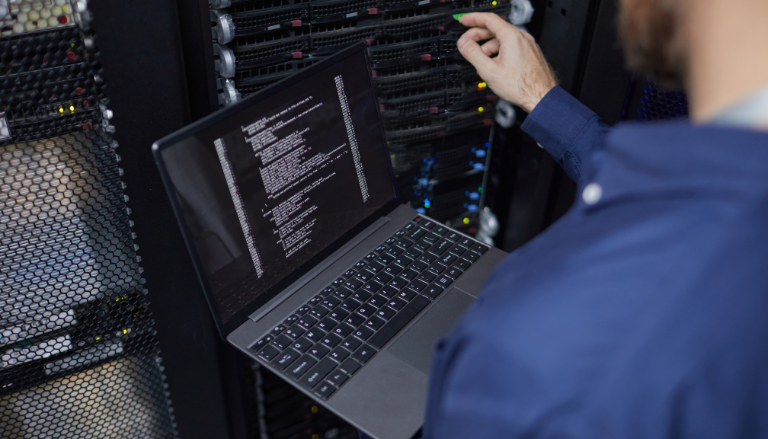
One of the most serious consequences of phishing attacks is data exposure. Sensitive information such as customer records, financial data, and employee details can be stolen. This creates legal and regulatory challenges.
Many industries are required to follow data protection laws. When a breach occurs, companies may face fines, audits, and mandatory reporting requirements. These processes consume time and resources. The real cost of a phishing attack in mid-size companies grows further when compliance failures are involved.
Long-Term Reputation Damage
Reputation is one of the most valuable assets a business has. When a phishing attack leads to a breach, customers may lose confidence in the company’s ability to protect their data.
Negative feedback, reduced customer loyalty, and loss of business opportunities can follow. In competitive markets, this damage can be difficult to recover from. The real cost of a phishing attack in mid-size companies extends into future revenue, not just immediate losses.
Hidden Costs That Are Often Missed
Beyond obvious losses, there are several indirect expenses that businesses do not always anticipate. These hidden costs can significantly increase the overall impact.
- Employee retraining programs to prevent future incidents
- Hiring external cybersecurity consultants
- Upgrading security infrastructure and tools
- Time spent by management handling the crisis
- Loss of employee morale and internal trust
- Delays in business expansion or strategic plans
These factors contribute heavily to the real cost of a phishing attack in mid-size companies, making prevention a more practical investment.
How Phishing Attacks Typically Happen
Understanding how these attacks occur helps reduce risk. Most phishing attempts follow predictable patterns.
Common Attack Methods
Attackers often use email spoofing, where messages appear to come from trusted sources. They may also create fake login pages that look identical to real ones. Some attacks include malicious attachments that install harmful software when opened.
Social Engineering Tactics
Social engineering is the psychological manipulation of people to gain access to systems or data. Attackers create urgency, fear, or authority to pressure employees into acting quickly without verifying requests.
These tactics are effective because they target human behavior rather than technical vulnerabilities. This is why the real cost of a phishing attack in mid-size companies often starts with a simple human error.
Warning Signs Employees Should Not Ignore
Recognizing early warning signs can prevent major incidents. Employees should be trained to question unusual requests and verify suspicious communications.
Key Red Flags
- Emails asking for urgent action or sensitive information
- Links that do not match official website URLs
- Unexpected attachments from unknown senders
- Messages with spelling or formatting errors
- Requests for financial transactions outside normal processes
Awareness at the employee level plays a major role in reducing the real cost of a phishing attack in mid-size companies.
Practical Steps to Reduce Risk
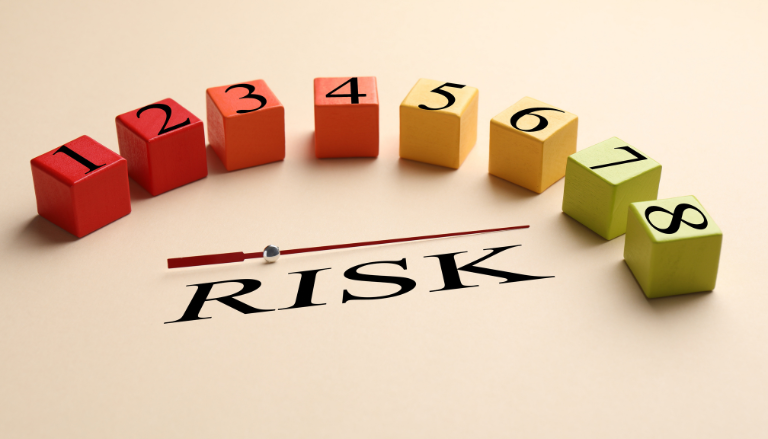
Preventing phishing attacks does not always require complex systems. Simple, consistent practices can significantly reduce exposure.
Employee Training
Regular training helps employees recognize phishing attempts. This includes simulated attacks and real-world examples supported by leadership-driven security initiatives.
Multi-Factor Authentication (MFA)
MFA adds an extra layer of security by requiring additional verification beyond a password. Even if credentials are stolen, attackers cannot easily access systems.
Email Filtering and Security Tools
Advanced email filters can detect and block suspicious messages before they reach employees using solutions like SecureMind.
Regular System Updates
Keeping software updated reduces vulnerabilities that attackers can exploit.
Access Control
Limiting access to sensitive data ensures that even if one account is compromised, the damage is contained.
By implementing these steps, businesses can lower the real cost of a phishing attack in mid-size companies and improve overall security posture.
Incident Response: What to Do After an Attack
Even with strong prevention, incidents can still happen. A clear response plan helps minimize damage.
Immediate Actions
Disconnect affected systems from the network to prevent further spread. Change passwords and secure accounts.
Investigation and Recovery
Work with cybersecurity professionals through expert consultation to identify how the attack occurred and restore systems safely.
Communication
Inform stakeholders, including customers and employees, with clear and transparent updates.
A structured response reduces downtime and limits the real cost of a phishing attack in mid-size companies.
Real-World Impact Scenario
Consider a mid-size company that processes online payments. An employee receives a phishing email that appears to be from a vendor requesting updated payment details. The employee follows the instructions, and funds are redirected to a fraudulent account.
Within hours, the company loses a significant amount of money. Systems are reviewed, operations slow down, and customer trust is affected. Legal teams become involved, and recovery efforts take weeks. This scenario reflects how quickly the real cost of a phishing attack in mid-size companies can escalate.
Frequently Asked Questions (FAQ)
What is the average cost of a phishing attack for a mid-size company?
Costs vary depending on the scale of the attack, but they can range from thousands to millions, including financial loss, downtime, and recovery expenses.
Why do phishing attacks succeed so often?
They rely on human behavior. Attackers create messages that appear urgent or trustworthy, making it easier for employees to act without verification.
Are small and mid-size companies really at risk?
Yes, they are often targeted more frequently because they may not have strong cybersecurity systems in place.
How can businesses train employees effectively?
Training should include real examples, simulations, and clear guidelines on how to report suspicious activity.
What is the first step after detecting a phishing attack?
Isolate affected systems, secure accounts, and involve cybersecurity experts immediately.
Can investing in cybersecurity reduce long-term costs?
Yes, proactive investment is usually far less expensive than dealing with the aftermath of an attack.
Final Thoughts
The real cost of a phishing attack in mid-size companies is not limited to immediate financial loss. It affects operations, compliance, reputation, and long-term growth. Businesses that treat cybersecurity as a priority—through structured solutions available at Dogma Systems—are better equipped to handle modern threats.
Taking preventive steps, educating employees, and preparing response plans can significantly reduce risk. The goal is not just to stop attacks but to build resilience.